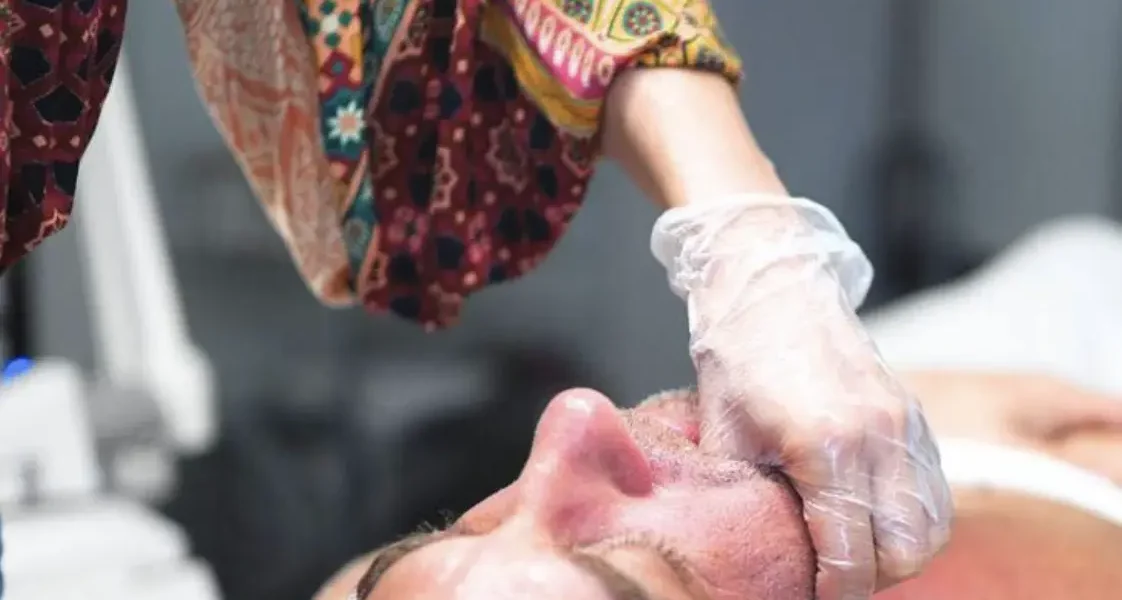
Are there DIY buccal techniques? It’s a question I get a lot in the treatment room at The Facial Hub from clients who are hooked on the sculpted look of a pro buccal facial massage and want to try it strokes upward at home.
Here’s the real deal: there are some pretty gentle, external techniques you can do safely at home – but you should leave the intraoral (inside the mouth) buccal massage to the pros. Not because I’m a snob who wants to lock up the buccal work, but because hygiene, facial anatomy, and technique are a whole lot more important than most people think.
I’m Sevine Forster, and after nearly two decades of working hands-on with facial muscles – from high-end clinics in Mayfair to Brisbane’s skin-busting humidity – I’ve seen just how much of a difference proper buccal work can make and the damage that well-meaning DIY attempts can do. Let me break it down for you so you can properly support your skin-anatomy-led technique involving really deep structures like the buccal fat pads, which require.
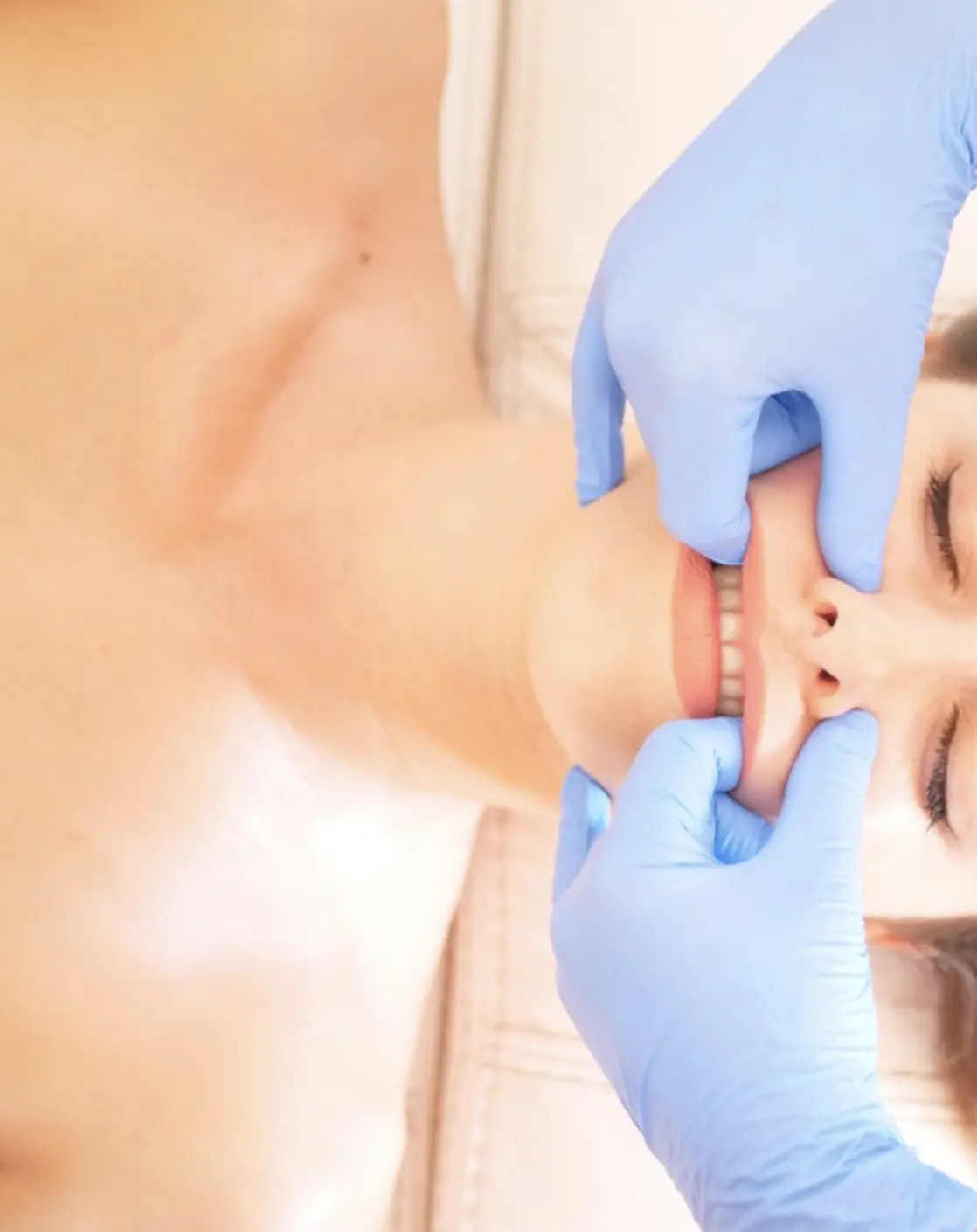
Why This Treatment Is Trending
Buccal work has gone from being a niche therapy to a talking point of the beauty world – but not all the information floating around is even close to accurate. What I see day in day out is a mix of genuine curiosity and some confusion about what this treatment actually involves.
Mostly, clients are looking for relief from that grinding jaw tension and a more defined facial contouring effect, with some reduced puffiness through lymphatic drainage thrown in for good measure. And yeah – when I do buccal massage in Brisbane at The Facial Hub, the results can be pretty dramatic – smoother blood flow, softened masseter muscle tension. That instant lift people love about non-invasive aesthetic treatments.
But you don’t see much context online. This isn’t some trendy new facial – it’s a precise, anatomy-led technique involving really deep structures like the buccal fat pads, which require a lot of skill to treat safely. Many of those concerns can be addressed with consistent buccal fat pads.
What’s Really Happening Beneath Your Skin
If you understand what’s going on under the surface, you can make better decisions – especially when it comes to trying DIY.
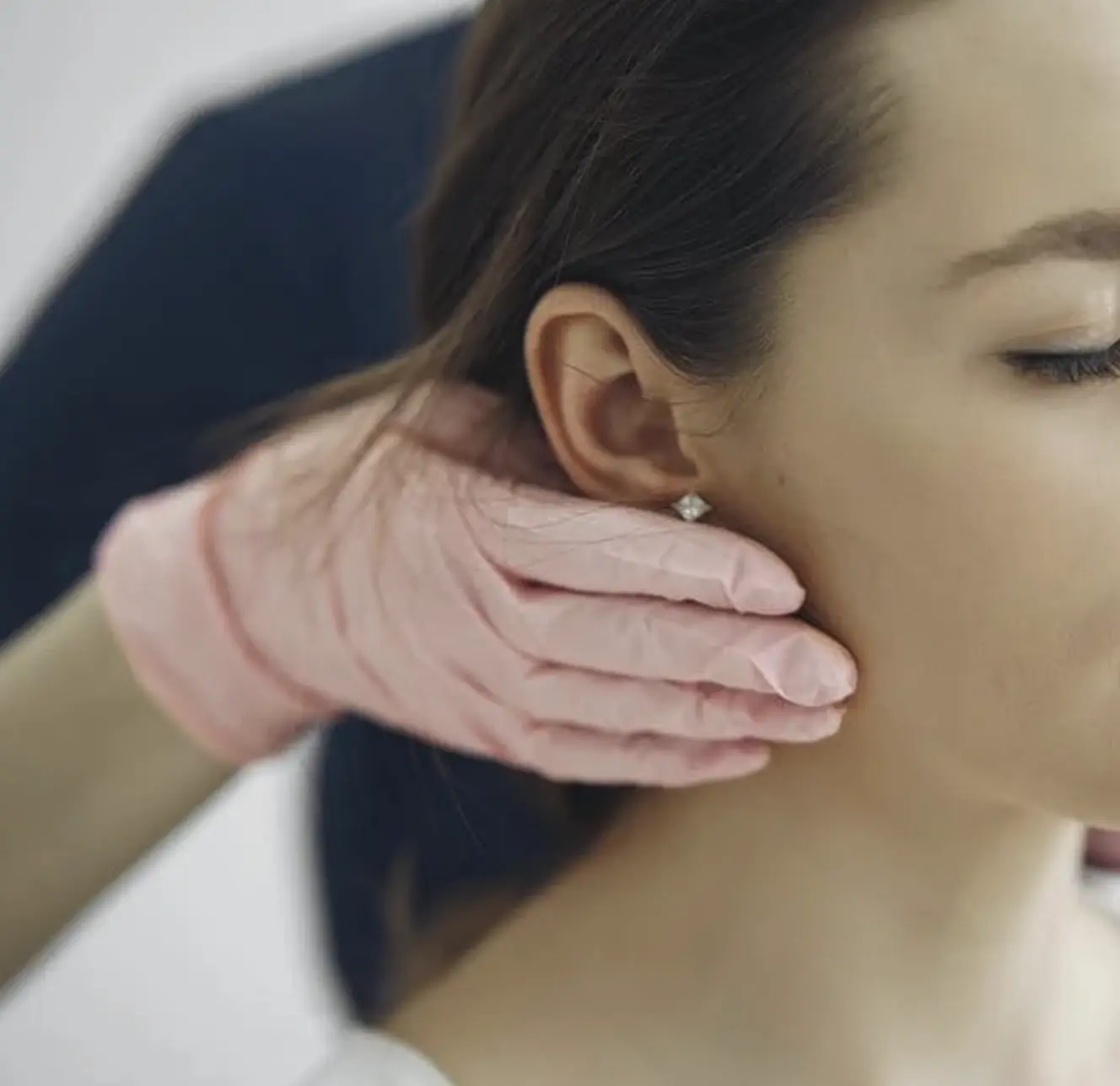
How Muscle Release Changes The Face
Inside your cheeks are some pretty powerful muscles – the masseter muscle, the pterygoid muscles, and even things like the orbicularis oris and risorius muscle.
When you treat them right:
- Blood flow improves, and your skin gets the vitality boost it needs
- The lymphatic system kicks in, and that puffiness goes down
- All that built-up muscle tension starts to melt away, especially if you’ve got TMJ issues
In the clinic, I see this all happen right before my eyes – and it’s not just the visual, it’s the way people feel so relaxed afterwards.
Why Safety And Hygiene Aren’t Optional
This is where the DIY stuff can get really misleading. Buccal work isn’t just about getting the technique right – it’s about having control, keeping your mouth clean, and really understanding the depth of what you’re doing.
Do all of that, and you can end up irritating tissue, increasing inflammation, or just undoing all the good work you were trying to do.
Safe Ways To Support Your Skin At Home
You don’t have to give up on facial care entirely – you just need to approach it with a bit more common sense.
Gentle Techniques That Actually Help
You don’t have to give up on facial care entirely – you just need to approach it with a bit more common sense.
- External facial massage along the jawline
- Light lymphatic drainage (simple, slow strokes)
- Tools like gua sha, a facial roller, or a jade roller
- Relaxing facial exercises or face yoga
- A calming scalp massage to release overall tension
Using a good facial oil helps protect your skin while also helping you get the smooth movement you’re after.
At The Facial Hub, I find myself constantly showing my clients how to do these routines at home – especially in Brisbane, where the humidity can end up making your skin hold on to a bit more fluid than you’d like.
Where DIY Can Go Wrong
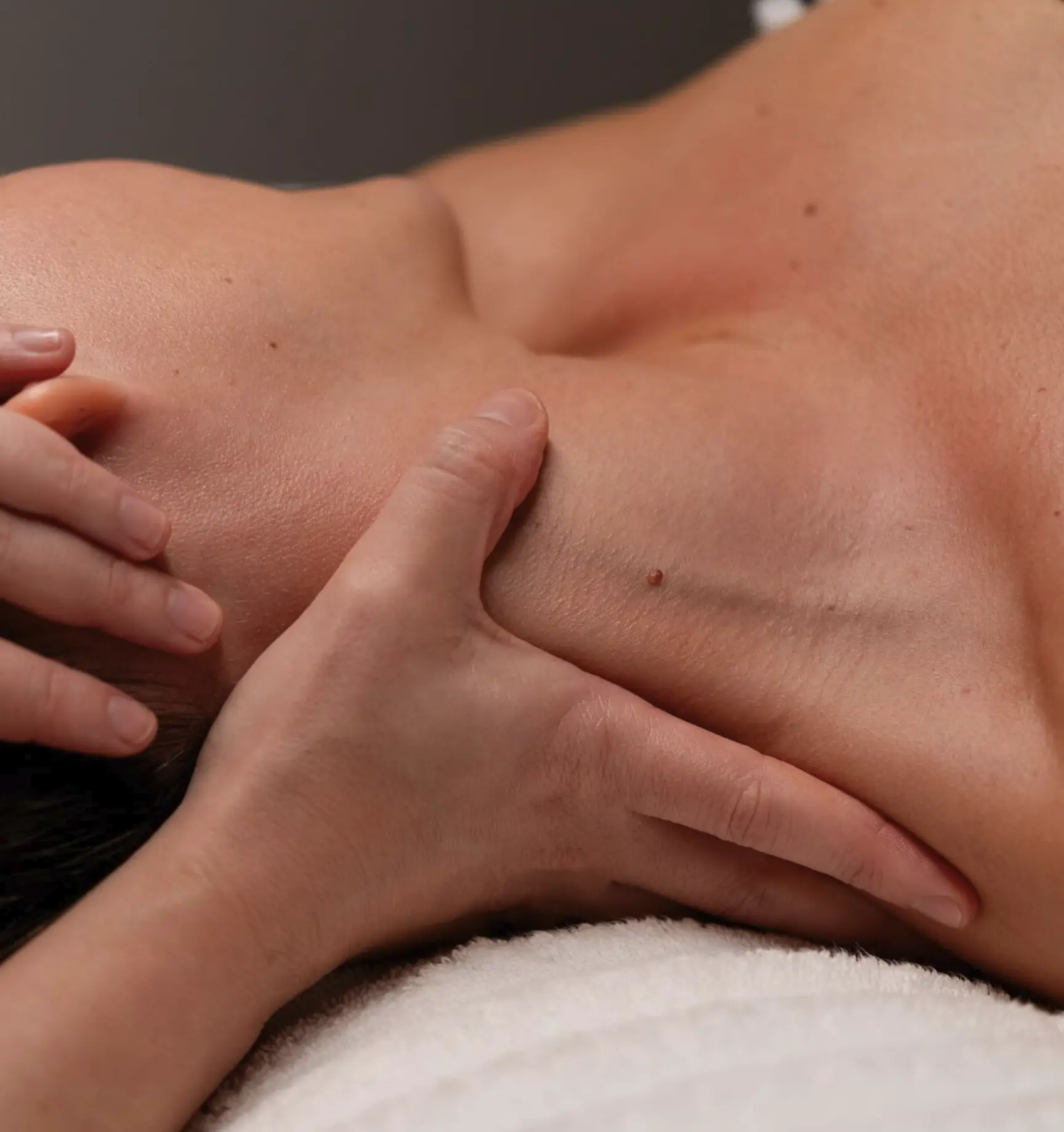
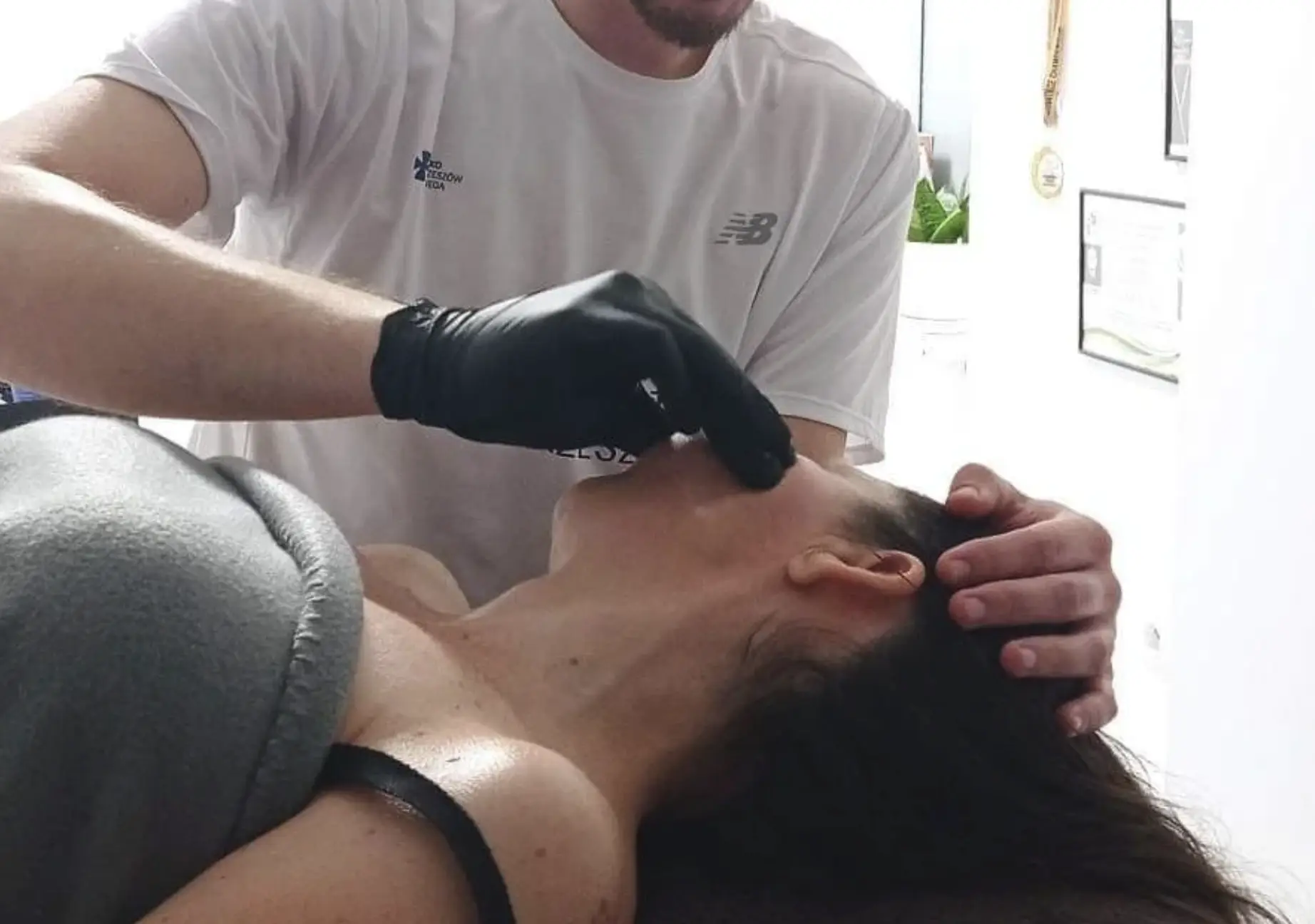
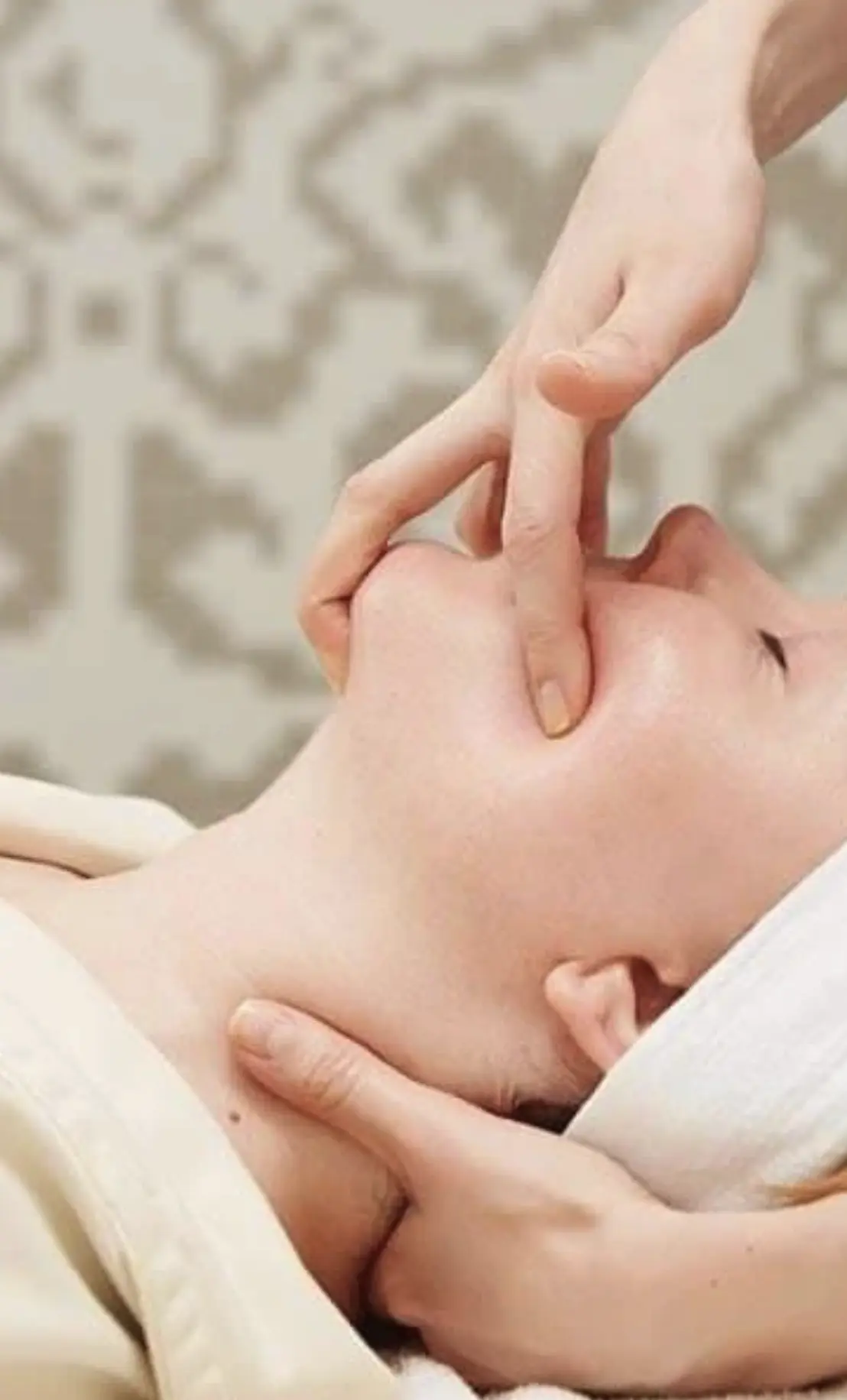
I see problems crop up when people start trying to do more than they should at home. Techniques like massaging in your mouth or infraoral therapy are just not something you can do safely without proper training – they need precision & they need to be done hygienically.
I’ve had clients come in after trying to give themselves a bit of a facial sculpt with way too much pressure or even worse, following some viral trend where they were making these big, silly fish faces – and all they ended up with is more swelling, more sensitivity or even just more muscle tension.
Sometimes the best results come from doing less but doing it right.
At-Home Care Vs Clinical Treatment
Here’s a clear comparison to help you understand expectations:
| Aspect | At-Home Care | Professional Treatment |
|---|---|---|
| Depth | Surface-level facial muscles | Deep intraoral + structural work |
| Hygiene | Basic | Clinical-grade |
| Results | Gradual | Immediate + cumulative |
| Focus | Maintenance | Sculpting + tension release |
| Outcome | Subtle facial definition | Noticeable contour refinement |
Think of it this way: home care maintains, professional care transforms.
How Brisbane Conditions Affect Your Results
Brisbane’s climate is having a bigger impact on your skin than most people would ever imagine, & I always find that it’s the humid weather that comes back to haunt them. They complain about feeling puffy or heavy on the lower face, which is a pretty common problem we see.
But it’s not just the heat that’s the issue, I also see sensitivity from the sun & a lot of people doing too much with their skincare products – pushing them to their limits. When that happens, it can be tough for their barrier to cope; even gentle massaging can feel like too much.
I’ve noticed that there are also a lot of people jumping straight into treatments like dermal fillers – or even looking at surgery as a quick fix to get slimmer cheeks. But what I’ve seen is that many of those concerns can be addressed with consistent, inflammation, or are super sensitive, be careful and get non-invasive approaches that support natural facial definition.
Where Skin Trends Are Heading In 2026
To be honest, the industry is shifting in a really great way.
We’re moving towards:
- A more holistic approach to skincare habits – putting the focus on barrier repair first
- Smarter, non-invasive options that don’t involve any major risks
- More people are using microcurrent devices & device-based therapies to get results
I’ve found that these microcurrent technology treatments are really effective – they gently stimulate muscles and give you that lift and tone without all the aggressive manipulation that can damage your skin.
The bottom line is: less DIY experimentation and more informed decisions.
A Realistic At-Home Routine That Works
When my clients are looking for something they can stick to, I keep it simple and easy to follow.
A Routine I Recommend in the Clinic
- Cleanse gently & be kind to it
- Apply a serum with hyaluronic acid – it makes all the difference
- Use strokes upward along the jawline to get that circulation going
- Add some gentle lymphatic drainage down the neck to get rid of any puffiness
- Finish it all off with some slow breathing to release all that tension – it’s a game-changer
This routine supports circulation, reduces puffiness, and just generally improves the overall quality of your skin – without any of the unnecessary risks that come with overdoing it.
A Client Story From The Treatment Room
I recently worked with a client who had been trying all these DIY techniques she’d found online – but was still ending up with puffiness and jaw tightness.
We simplified everything – gentle external work, barrier repair and one professional session. After trying buccal massage in Brisbane at The Facial Hub, her face just softened, and the tension just melted away – it was amazing. And the results actually lasted.
That’s the difference between chasing the latest trends and actually working with your skin in a way that makes sense.
When It’s Time To Seek Professional Support
There’s a breaking point where trying to DIY just won’t cut it.
You might want to consider going to a professional if you:
- Find yourself clenching your jaw all the time and getting TMJ pain
- Notice that tension in your face isn’t evenly spread
- Want to see a lift in your appearance without resorting to facial fillers
- Prefer that your treatments are structured and actually get results
As a holistic esthetician – and I always do – I try to think about the whole picture when it comes to treatments: your skin, your muscles and your overall wellbeing.
Final Thoughts: Smarter Skin Choices Always Win
DIY can be a great part of your beauty routine if you know what you’re doing and look after your skin.
Buccal techniques are something you gotta get right – it’s all about the skill, hygiene and knowledge of the anatomy. Using facial massage at home with the right tools and some thought behind your routine is totally worthwhile – but when it comes to the deeper stuff, leave it to the pros.
FAQ
Is it safe to try to do internal techniques on your own?
Absolutely Not – no matter how careful you are, if you don’t know what you’re doing and don’t have the right knowledge, it can actually do more harm than good.
Do tools like gua sha really make any difference?
Yeah, if you use them gently. They help with circulation and lymphatic drainage – especially if you live in a humid climate.
How often should you give yourself an at-home massage?
A few times a week is enough. More is definitely not better.
Can facial massage actually replace injectables?
No way – they work in different ways. Massage just supports the way your face is supposed to work, while injectables change the structure of your face.
Who should really avoid deeper facial techniques?
If you’ve had recent dental work, have any inflammation, or are super sensitive, be careful and get advice from a pro.