
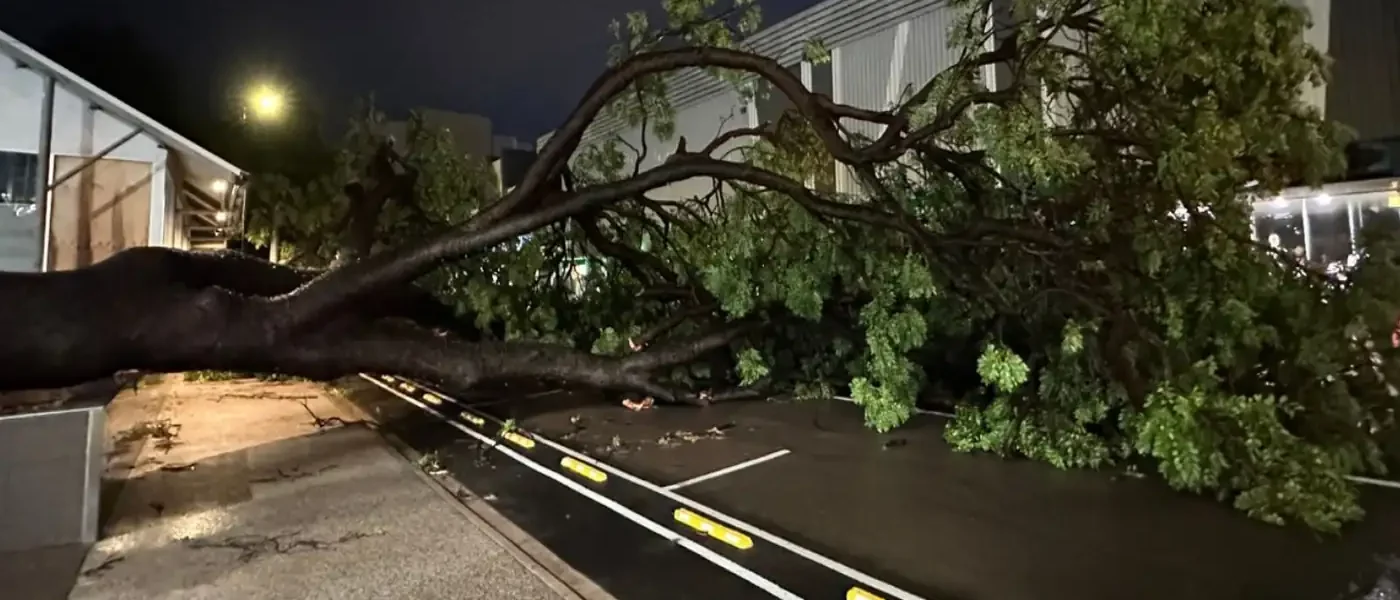
Which Darwin tours keep running when the monsoon warning hits is the question most people are asking as soon as they step off the plane and feel the sticky humidity wrap around them & watch the rain come hammering down like it’s out for revenge. Northern Territory, the Wet Season doesn’t mess about – it changes the rules fast, especially in the Darwin Region.
I’m Paul Beames, and I’ve been working with travellers and local tour operators up here in the Top End for years. What I’ve learned is this: the Wet Season doesn’t cancel trips, it just rearranges them a bit. Some tours keep going with barely a hiccup, while others just grind to a halt when the rain washes out the access roads. Understanding what makes the difference between the two scenarios keeps your trip on track.
How the Wet Season Weather Makes Access Difficult
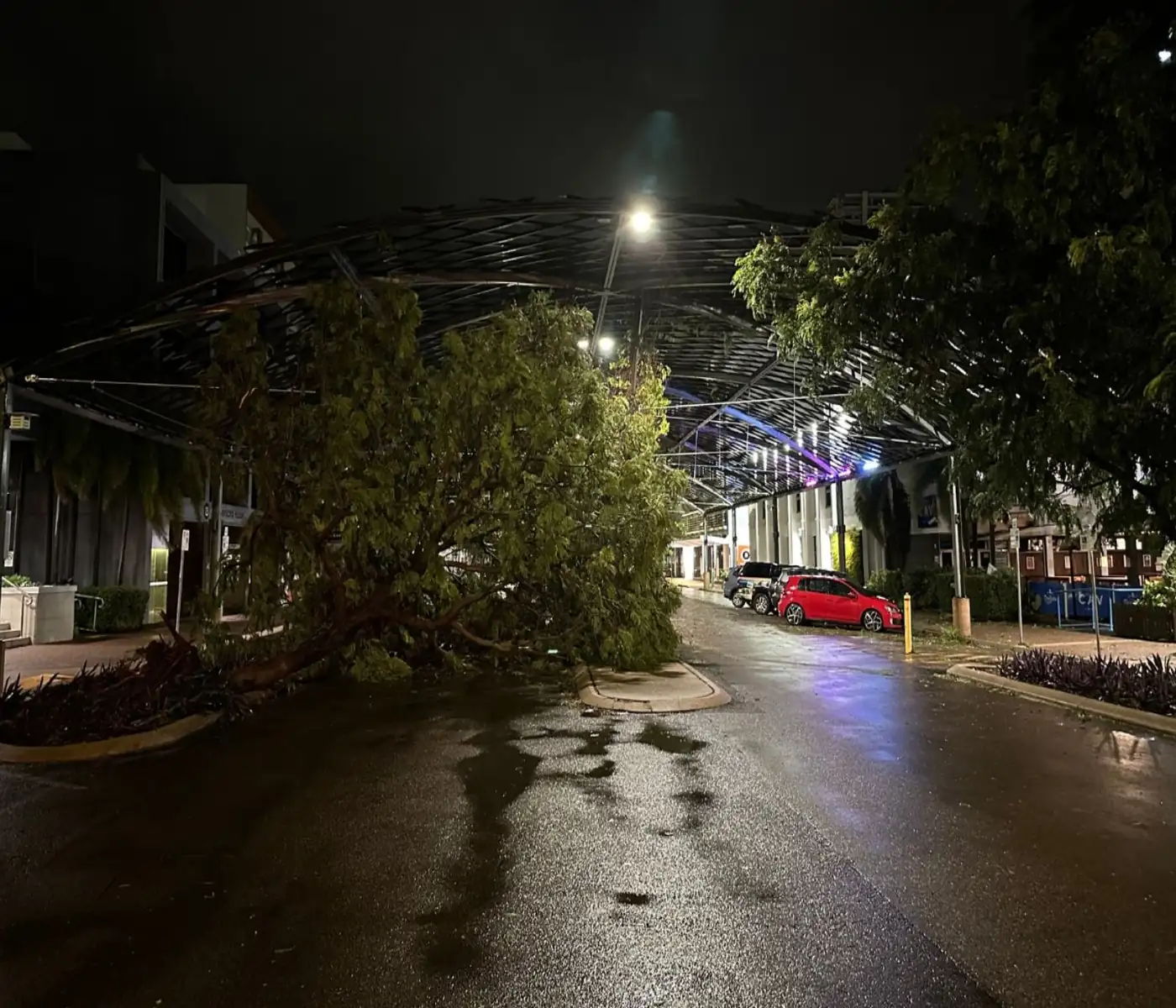
The minute a monsoon warning gets issued, you know you’re in for sustained heavy rain, gusty winds and the risk of flooding – but that’s not a guarantee that everything comes to a grinding halt. Darwin gets a fair whack of rain anyway – 1700 millimetres a year and 90% of that falls between November and April, with January usually tipping the scales at over 400 millimetres all on its own.
It’s not the rain itself that’s the problem; it’s the speed at which it chokes the roads, swells up the rivers, and reduces visibility. Unsealed tracks can go from fine to impassable in a couple of hours, rivers start rising, and you just can’t cross over the causeways when they’ve gone underwater.
That’s why the good tour operators are paying close attention to the road reports and river levels, as well as any park alerts that come in – they’re not relying on some long-range forecast that says ‘rain might happen’.
Why Staying Nearby Keeps Disruptions Low
Distance is the enemy when it comes to the Wet Season. Short trips and sealed roads are your friends when the weather is unpredictable.
Darwin City-based experiences have a few things going for them – they’ve got good access, multiple route options and infrastructure that’s designed to be sheltered from the elements. Places like Autopia Tours take advantage of that, adjusting their pace to suit the weather, cutting down on drive time and keeping the commentary going under cover instead of cancelling the whole shebang. That keeps many Darwin tours going even when the rain just won’t quit.
And if all that isn’t enough, there’s a bonus: fewer other people around. When the crowds thin out, your experiences seem more real, and the city feels like a place where people actually live rather than just a stop on the tourist trail.
Places That Are Built To Handle Heavy Rain

Some attractions just aren’t bothered by a bit of rain – they’re built for it. They don’t rely on good weather or being out in the middle of nowhere.
Places like Crocosaurus Cove and Territory Wildlife Park stay open regardless of how wet it gets. The saltwater crocs at Crocosaurus Cove are active all year round – in fact, the Wet Season often gets them moving around more, rather than less. And as long as the croc management is on top of it, the place is safe to visit, rain or shine.
For people looking for a wildlife-focused tour that sticks to the plan, these kinds of places are a great bet.
Water-Based Activities That Don’t Get Wiped Out
It’s not the rain itself that stops water-based activities; it’s the wind and other conditions.
Sheltered harbour environments around the city often stay open right up until the wind gets too strong. Wildlife trips on the Adelaide River depend on the flow rate more than the amount of rain that’s falling – and sometimes they just have to stop for a bit and wait for the water to calm down.
When you’re out on the water, the Wet Season can actually make for a more exciting experience – fewer people around, more wildlife, and some pretty dramatic cloud formations. You trade a postcard-perfect day for a real, lived-in atmosphere.
And then there’s the cultural experiences, led by Aboriginal guides – places like river-based storytelling depend on the tides and the access roads. When they can run, they give you a real insight into how the Aboriginal people understand the Wet Season and the land – it’s a truly special experience.
National Parks and Selective Access
National parks don’t just shut down during the Wet season; they pretty much scale back.
Why Litchfield Remains A Reliable Bet
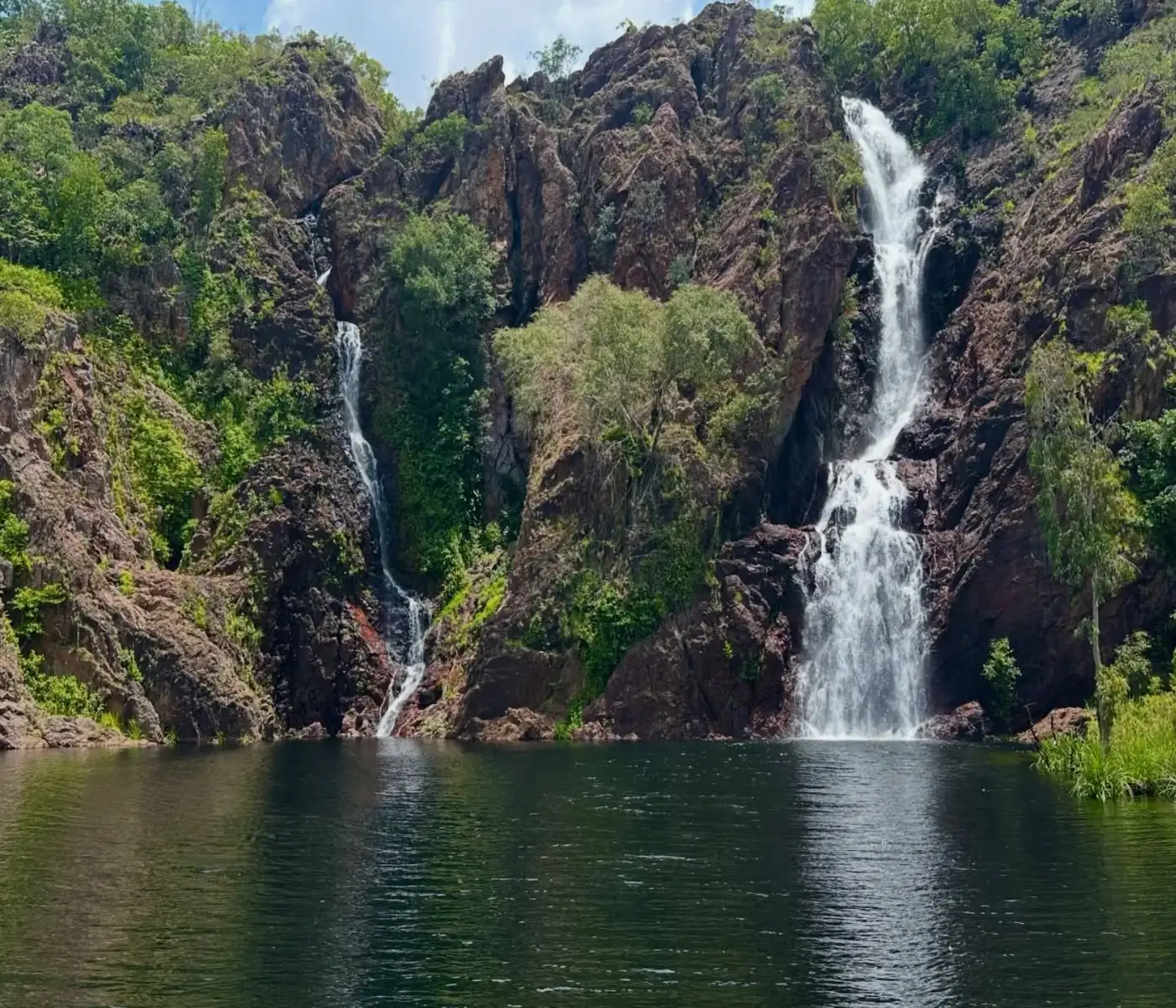
Litchfield National Park is always the one you can count on to remain open, thanks to those sealed roads and elevated walkways. The waterfalls go wild, the vegetation explodes everywhere, and viewing platforms open when conditions allow.
And yeah, swimming can be restricted from time to time, but visually speaking, the park looks even more amazing then. This is probably why tour operators like Autopia Tours tend to focus on Litchfield when the Wet season rolls in.
Kakadu And The Seasonal Limitations That Come With It
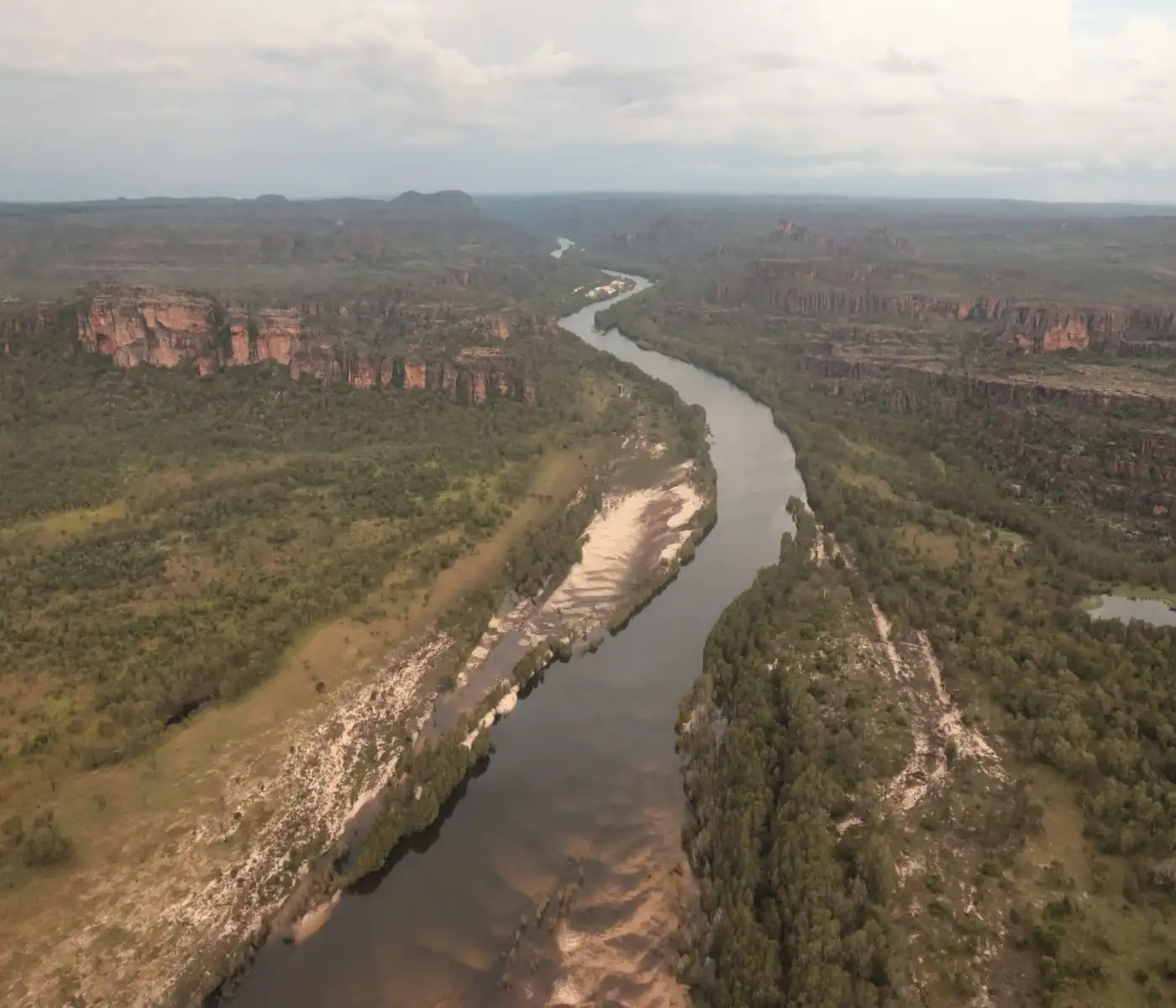
Kakadu National Park is a whole different story. Unsealed roads, floodplains and river crossings make it pretty much impossible to get around once the rain really starts to fall.
For the most part, visitor movement is limited to the main hubs, such as the Bowali Visitor Centre near Jabiru, or to places a bit higher up, such as Ubirr Rock. Places like Jim Jim Falls, Gunlom Falls, Barramundi Gorge and most of Yellow Water Billabong are usually off-limits due to flooding.
It’s not about the park being poorly managed or anything; it’s just how the land is set up.
Why Remote Touring Is So Vulnerable In The Wet
Remote travel relies on things being pretty predictable – dry tracks, passable crossings and the option to recover if you do get stuck. But the Wet season blows all that out of the water.
Extended 4WD routes, Arnhem Land access, and multi-day Adventure travel programs are usually shut down when the rain starts, because once the roads are closed, they’re likely to stay that way. Recovery then becomes a whole lot harder, and the risks just keep on escalating.
Operators who know what they’re doing will shut up shop early rather than risk getting caught out.
Scenic Flights And Weather Windows
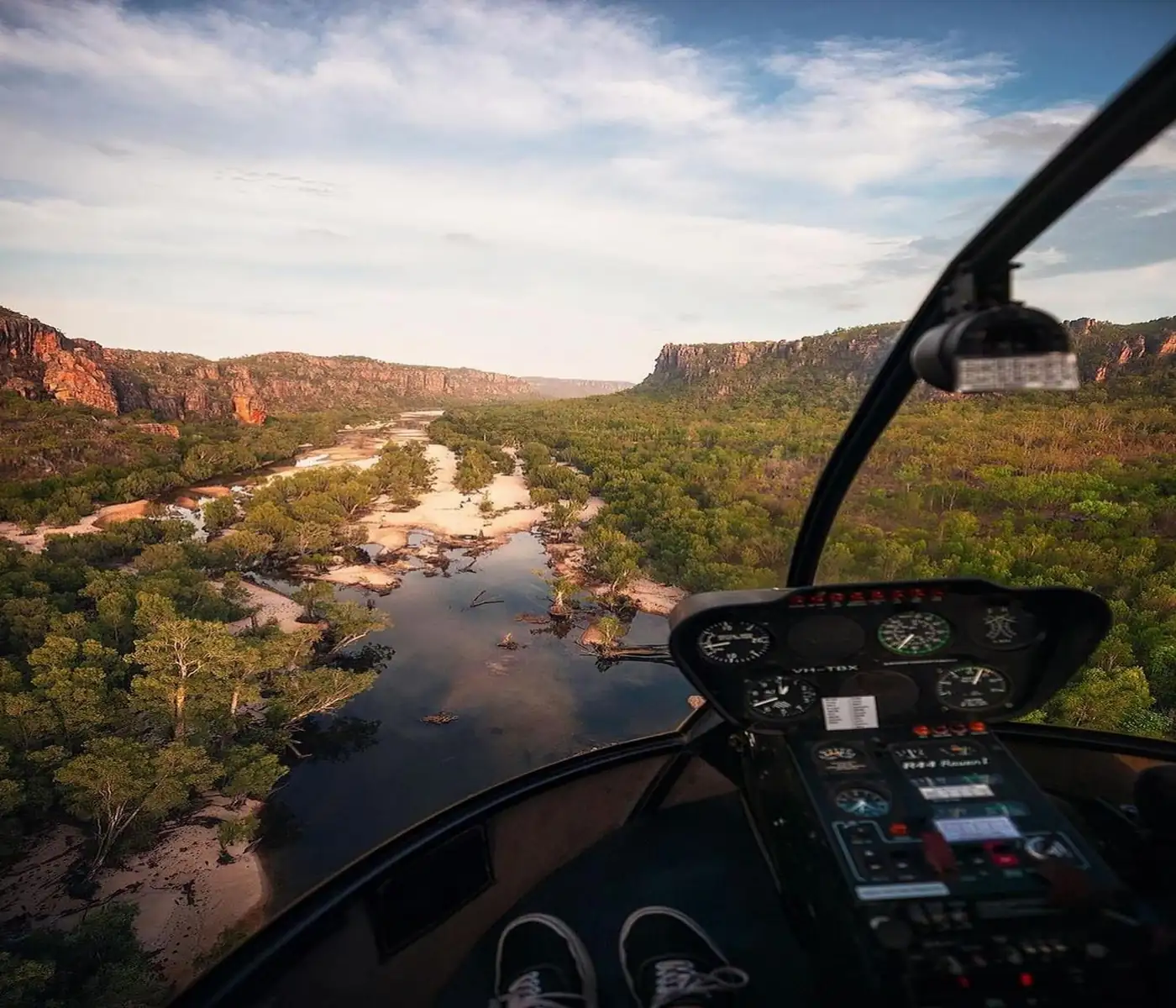
Aerial views during the Wet season can be truly breathtaking – water cascading over sandstone escarpments, the floodplains glowing a deep green, and seasonal waterfalls appearing out of nowhere.
But, of course, there are rules to follow when it comes to flying in the Wet season. You can only fly when the visibility is good and the wind isn’t too strong. Cancellations can still happen with very little notice, and you’d be wise to plan for it.
Scenic flights are best suited to people with flexible travel plans rather than those who are dead set on having a specific experience.
Planning That Works In The Wet
The key to making the most of the Wet season is all about attitude and preparation.
Focus on:
- Short, in-Darwin experiences that can be easily done on a whim
- Experienced tour operators who have been through the Wet season before and know what they’re doing
- Flexible booking and refund policies – you never know when you’re going to need to change your plans
- Keeping on top of which National Parks are open and any changes to entry fees
Pack for the humidity, be prepared for your itinerary to be changed around at the last minute, and make sure your travel insurance covers you in case of weather-related disruptions. And most of all, be flexible – the Wet season rewards those who can adapt, not those who are stuck to their plan.
Cultural Life And The Seasonal Rhythm
Darwin doesn’t just grind to a halt during the Wet season – the city still comes alive with community events, exhibitions of Aboriginal art and rock art, and all sorts of local gatherings.
In fact, this is probably when the city feels most like itself – humid, a bit rough around the edges and totally unapologetic about being the Top End.
Final Takeaway
The Wet Season won’t shut down travel in the Top End – no way, it just keeps things a bit more laid-back. Stick close to Darwin, pick an operator with some experience under their belt, like Autopia Tours, and you’ll be letting the conditions set the pace for the day.
That way, your trip to the Northern Territory won’t get derailed – instead, it’ll feel like exactly what you came for: plenty of rain, plenty of humidity, and the odd bit of sunshine just to keep things interesting.
FAQ
What happens to the daily itinerary when it’s pouring with rain?
To be honest, schedules often get squeezed in rather than cancelled cold. So you’ll get earlier starts and shorter driving windows – it’s not usually a big deal.
Do wildlife sightings go out the window during super rainy periods?
Nope – actually, wildlife sightings can still happen, and many species tend to get more active around waterways and feeding grounds.
What puts paid to visiting the national parks?
Road closures and dodgy river crossings are the main culprits – not just how much rain is coming down.
How much notice do you get before things change?
Honestly, it can be a few hours to a few days – which is why flexibility is way more important than having a fixed plan.
Is this period a good time for first-timers to visit?
Yes, as long as you set your expectations right – don’t expect sun-kissed beaches and crystal clear skies, but do expect a whole lot of character.